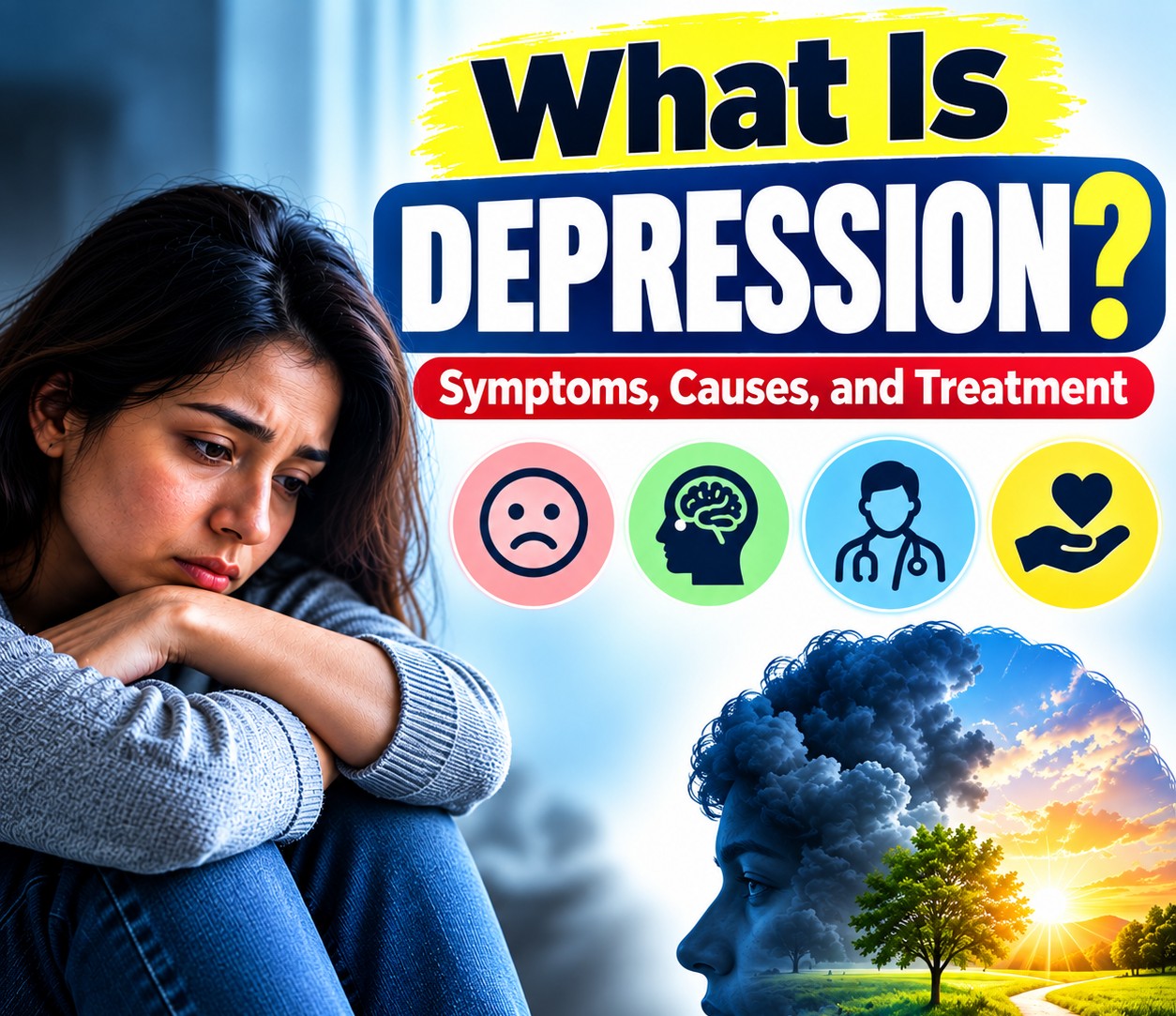

Depression is a common but serious mental health condition that can affect a person’s mood, thoughts, behaviour, relationships, work and daily life. It is more than temporary sadness or feeling low. With proper professional support and treatment, depression can be managed effectively, and many people recover and return to a fulfilling life.
What Is Depression?
Depression, also known as major depressive disorder, is a condition in which persistent feelings of sadness, emptiness or loss of interest continue for an extended period and interfere with everyday activities.
Depression can affect anyone, regardless of age, gender, profession or social background. Sometimes it develops after a difficult life event, while in other cases there may not be an obvious reason.
Common Symptoms of Depression
Depression can present differently from person to person. Common symptoms include:
Persistent sadness, emptiness or low mood
Loss of interest or pleasure in previously enjoyable activities
Feeling tired or lacking energy
Changes in sleep, including difficulty sleeping or excessive sleeping
Changes in appetite or weight
Difficulty concentrating or making decisions
Feelings of guilt, worthlessness or hopelessness
Irritability or social withdrawal
Reduced motivation for daily activities
Physical complaints such as unexplained aches or discomfort
When several of these symptoms persist and begin affecting daily life, it is important to seek professional advice.
What Causes Depression?
There is usually no single cause of depression. Several factors can contribute, including:
Biological factors: Changes involving brain chemistry, genetics and other biological processes may increase vulnerability.
Psychological factors: Low self-esteem, prolonged stress, negative thinking patterns and emotional difficulties can contribute.
Life circumstances: Relationship problems, financial difficulties, work-related stress, bereavement, major life changes or other stressful experiences may trigger depression.
Medical conditions: Certain physical health conditions and some medications can also be associated with depressive symptoms.
Depression and Normal Sadness: What Is the Difference?
Feeling sad after a difficult experience is a normal part of life. However, depression tends to be more persistent and more disruptive, affecting daily functioning, relationships, work or studies.
If low mood or loss of interest continues for weeks or significantly interferes with everyday life, consulting a mental health professional can help determine what is happening.
How Is Depression Treated?
Treatment depends on the individual’s symptoms, severity, medical history and personal circumstances. A psychiatrist or other qualified mental health professional may recommend one or a combination of approaches:
- Psychotherapy
Talking therapies can help people understand and manage difficult thoughts, emotions and behaviours. Different forms of therapy may be suitable for different individuals.
- Medication
A psychiatrist may prescribe antidepressant medication when appropriate. Medication should be taken only under professional guidance and should not be started, stopped or changed without consulting the prescribing doctor.
- Lifestyle and Daily Support
Regular physical activity, a consistent sleep routine, nutritious food, social connection and manageable daily routines can support mental well-being and complement professional treatment.
- Ongoing Professional Follow-Up
Regular follow-up can help monitor progress, manage treatment and make adjustments when necessary.
When Should You Consult a Psychiatrist?
Consider seeking professional help if:
Symptoms continue for several weeks.
Depression is affecting work, studies or relationships. Symptoms continue for several weeks.
Depression is affecting work, studies or relationships.
You are struggling to manage normal daily activities.
Sleep or appetite has changed significantly.
You feel persistently hopeless or overwhelmed.
Symptoms are getting worse despite trying to cope on your own.
If you or someone you know is experiencing thoughts of self-harm or suicide, seek urgent help from local emergency services or a qualified mental health professional immediately.
Conclusion
Depression is a treatable mental health condition, and seeking help is not a sign of weakness. Early professional assessment can help identify the problem and guide appropriate treatment.
If you are experiencing persistent symptoms of depression, talk to a qualified psychiatrist or mental health professional rather than trying to manage severe symptoms alone.
One response to “What Is Depression? Symptoms, Causes, and Treatment”
Hi, this is a comment.
To get started with moderating, editing, and deleting comments, please visit the Comments screen in the dashboard.
Commenter avatars come from Gravatar.